- 0
- Patent filings
- 0
- Companies founded
- 0
- CGCI suites deployed
- 0
- Frost & Sullivan awards

Inventor · Scientist · Entrepreneur
Josh Shachar
An American scientist, inventor, and entrepreneur who has pioneered the discovery of ground-breaking technologies in magnetic guidance, advanced microelectronics, biological sensors, and medical device technologies.
Recognition & Press
Frost & Sullivan
Innovation Award
El País
Madrid
Yedioth Ahronot
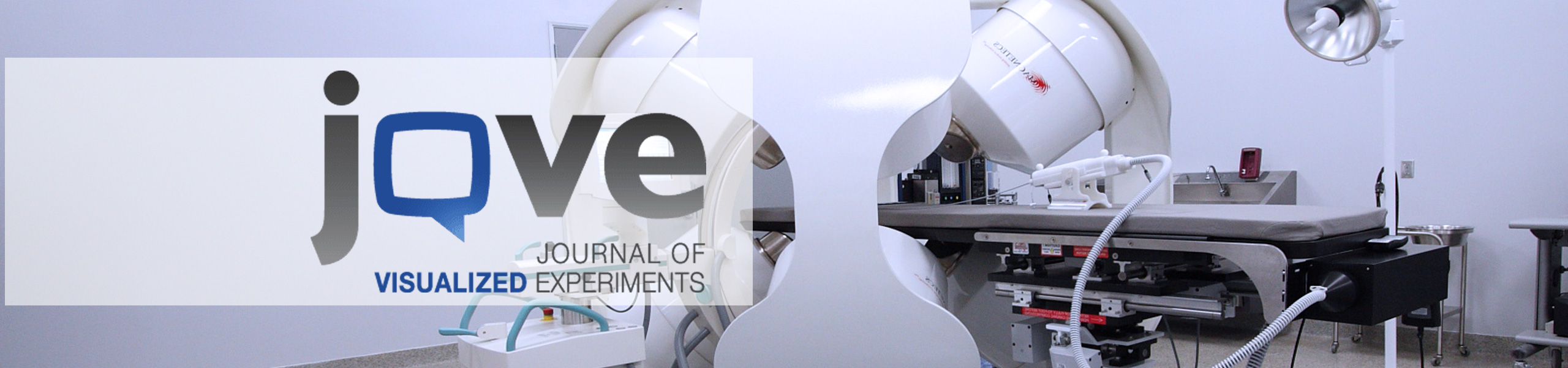
JoVE
Visualized Experiments
Boston AF Symposium
USPTO
43 granted patents

The solution to any technology problem begins with the examination of how nature has already created a biological answer.
A life's work
Five decades of invention
1981
Aerospace
Magnetic Targeting
DARPA and DoD programs. The idea of steering an unseen object through a shaped magnetic field takes hold.
1993
Biology
MOSFET Biosensors
The body becomes the operating environment. Biological interface patents filed: sensors that speak the language of tissue.
2003
Invention
CGCI Patent Filed
CA 2,493,869. Eight electromagnets. One catheter. The system that will enter operating theatres worldwide.
2010
Clinical
La Paz Hospital
First European installation, Madrid. The machine crosses from laboratory to cardiac suite for the first time.
2014
Scale
Cedars-Sinai
Los Angeles. A second continent, a fourth decade. Steady-handed surgery gives way to coordinated fields.
2023
Legacy
Frost & Sullivan
Two innovation leadership awards recognising the CGCI platform. Recognition arrives, four decades in the making.
Swipe to explore
Six companies. Two flagship platforms.

Est. 2003
Robotic catheter guidance for cardiac electrophysiology.
Explore
Est. 2008
The R&D incubator behind smart pumps and biosensors.
Explore
Est. 2014
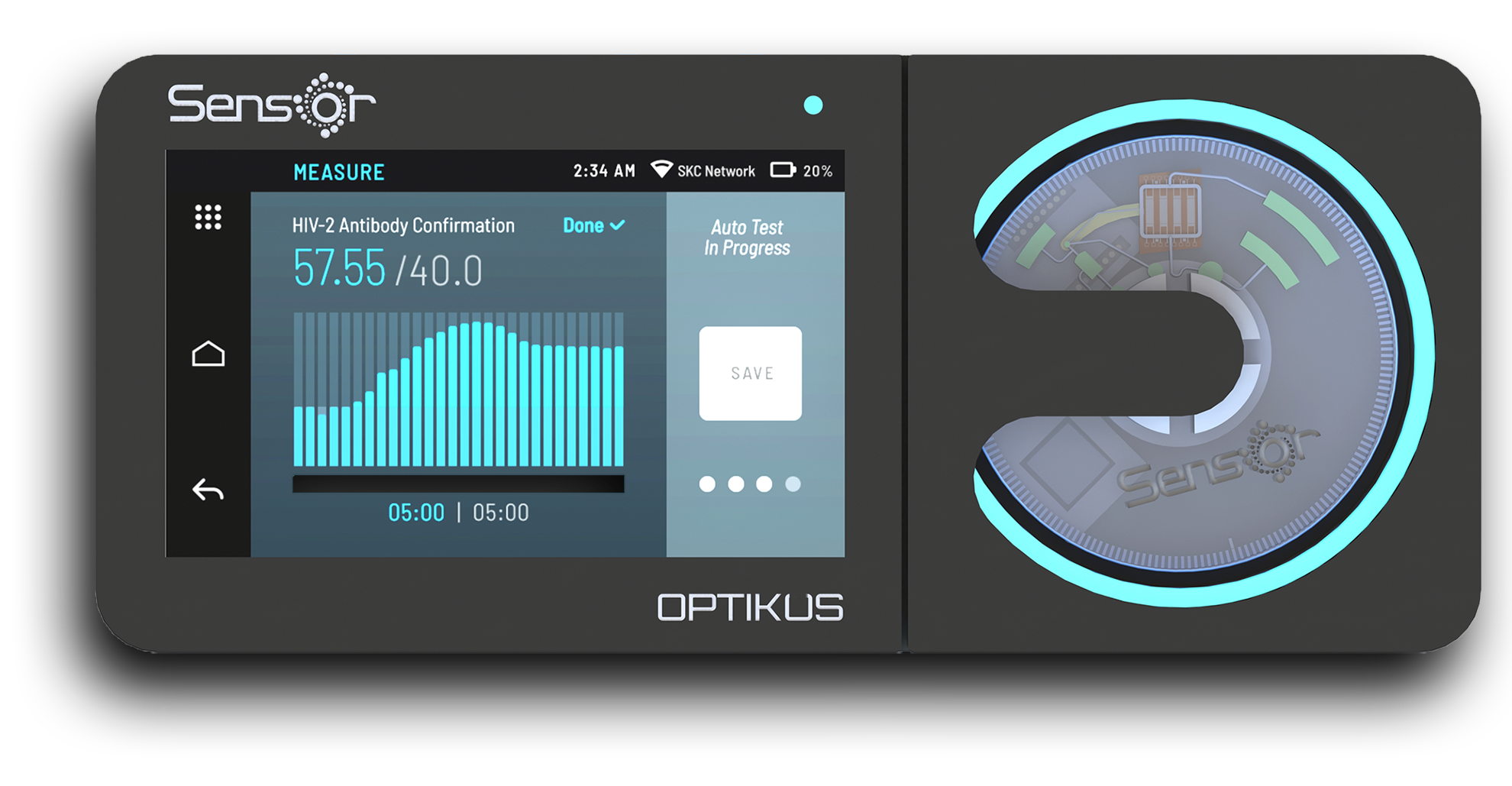
SMART biosensors for rapid biomarker detection.
Explore
Est. May 2015
Next-generation surgical devices: Huygens, Lorentz, and Proteus.
Explore
Est. 2016
Therapeutic delivery via implantable SMART pump.
Explore
Est. 1993
Supplying our nation's defense needs.
ExploreEst. 2016
Therapeutic delivery via implantable SMART pump.
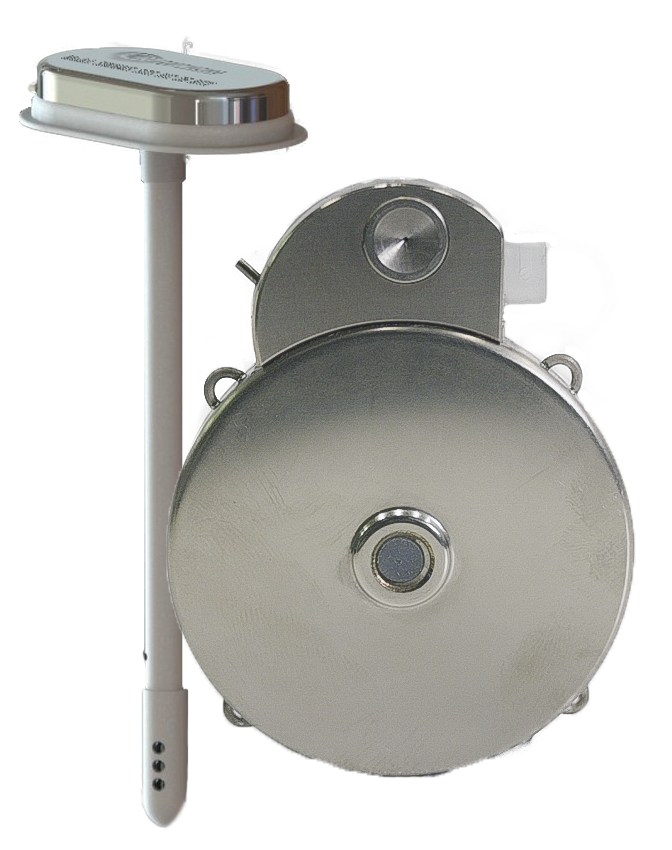
ExploreFlagship platforms
At the bench
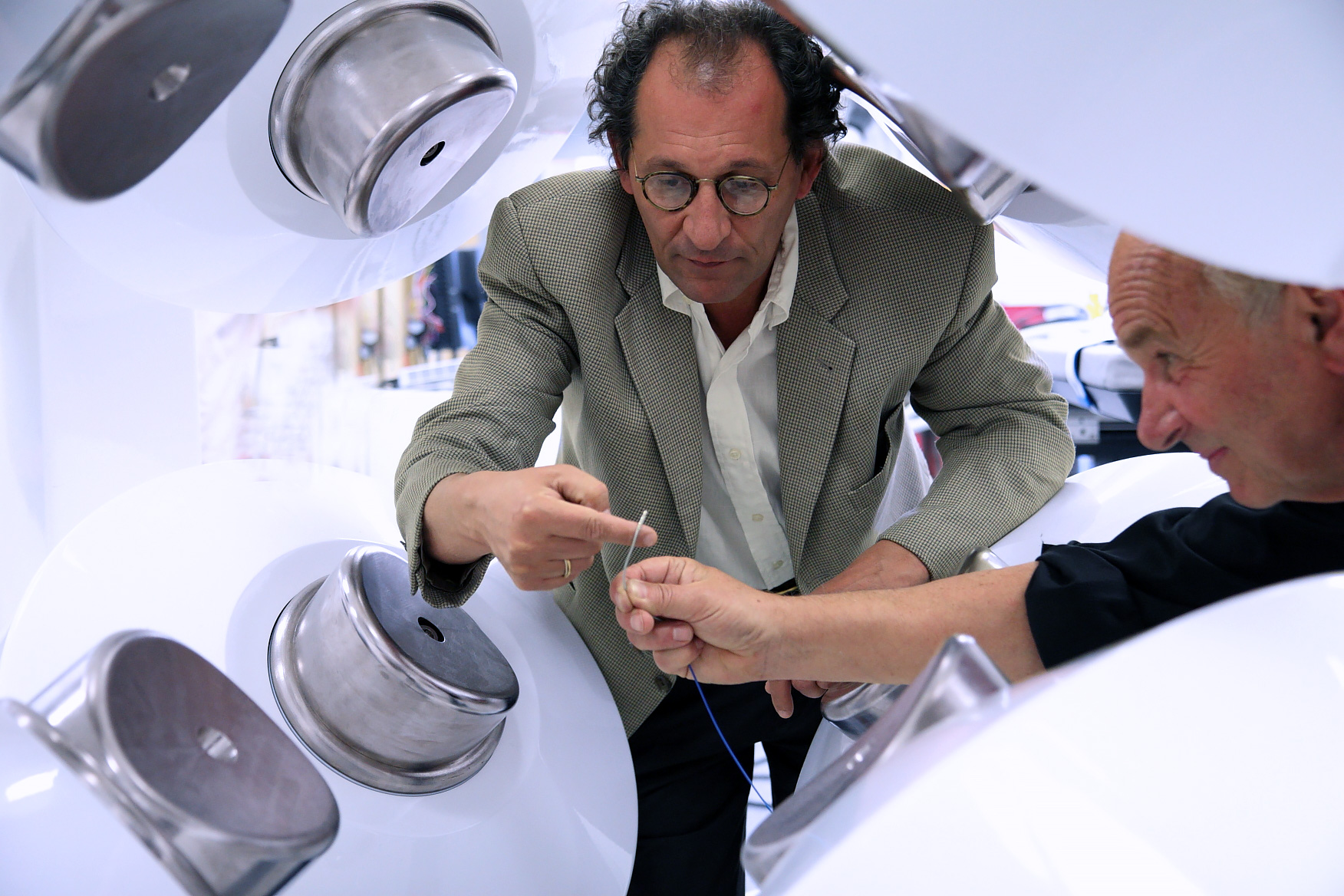
Twelve years building the first magnetically-controlled robotic catheter platform.
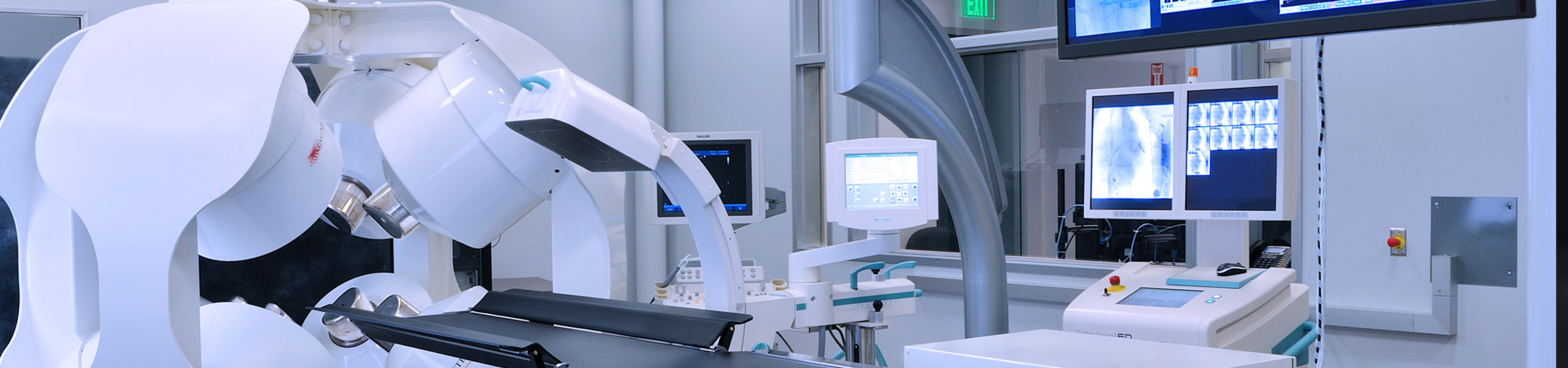
From rudimentary drawings and equations to four full-scale operating suites in Los Angeles, Madrid, Seoul, and Cedars-Sinai. The CGCI system was the culmination of a personal experience and a four-decade engineering practice.
From the notebooks
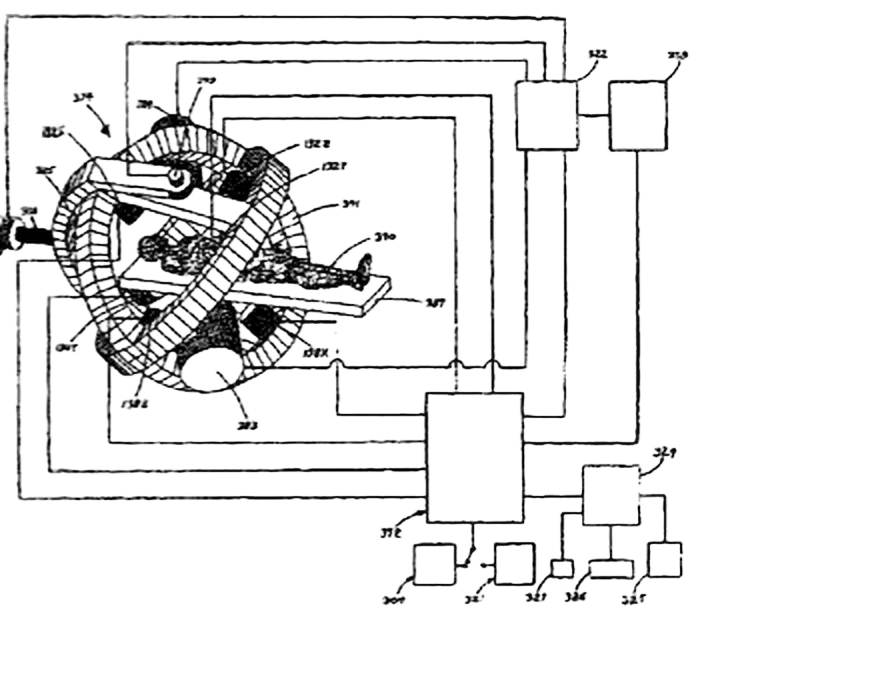
The figure opposite is the foundational drawing of the Catheter Guidance Control and Imaging systemi: eight electromagnets arranged around a patient’s chest, with the catheter visible at the center, connected back to the operator’s consoleii and its supporting subsystems.
A physician moves a virtual-tip joystick. The system translates the motion into a shaped magnetic field. The catheter, with a magnetic tip, follows. Tactile feedback flows back to the operator’s hand if the tip encounters an obstacle. What was once steady-handed surgery becomes coordinated fields and feedback.
The principle is borrowed from aerospace targeting work Josh began in 1981. The clinical translation took a decade. The first European installation was at La Paz Hospital in Madrid in 2010.
Move cursor to explore · hover dots for detail
The CGCI apparatus, with its control subsystems. Filed 2003.

Featured Publication
Catheter Guidance Control and Imaging (CGCI)
Magnetecs Collected Patents, 6th Edition
The patent library of the world’s first magnetically-controlled robotic-assisted catheter platform, with historical articles, engineering documentation, and photography of the people and milestones behind CGCI.
All publicationsLatest
In the press

The through-line
“The work is to reduce the dexterity of a physician’s hand to a language the machines can speak.”
— Josh Shachar
Get in touch